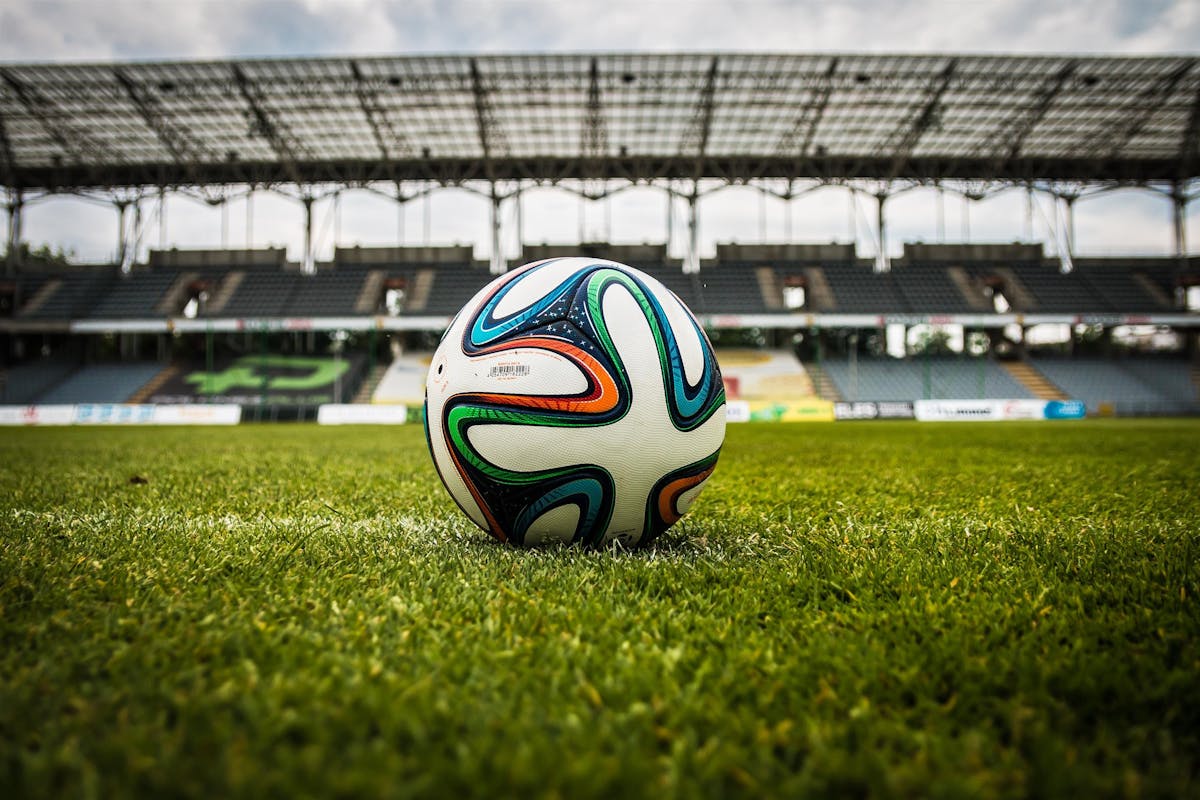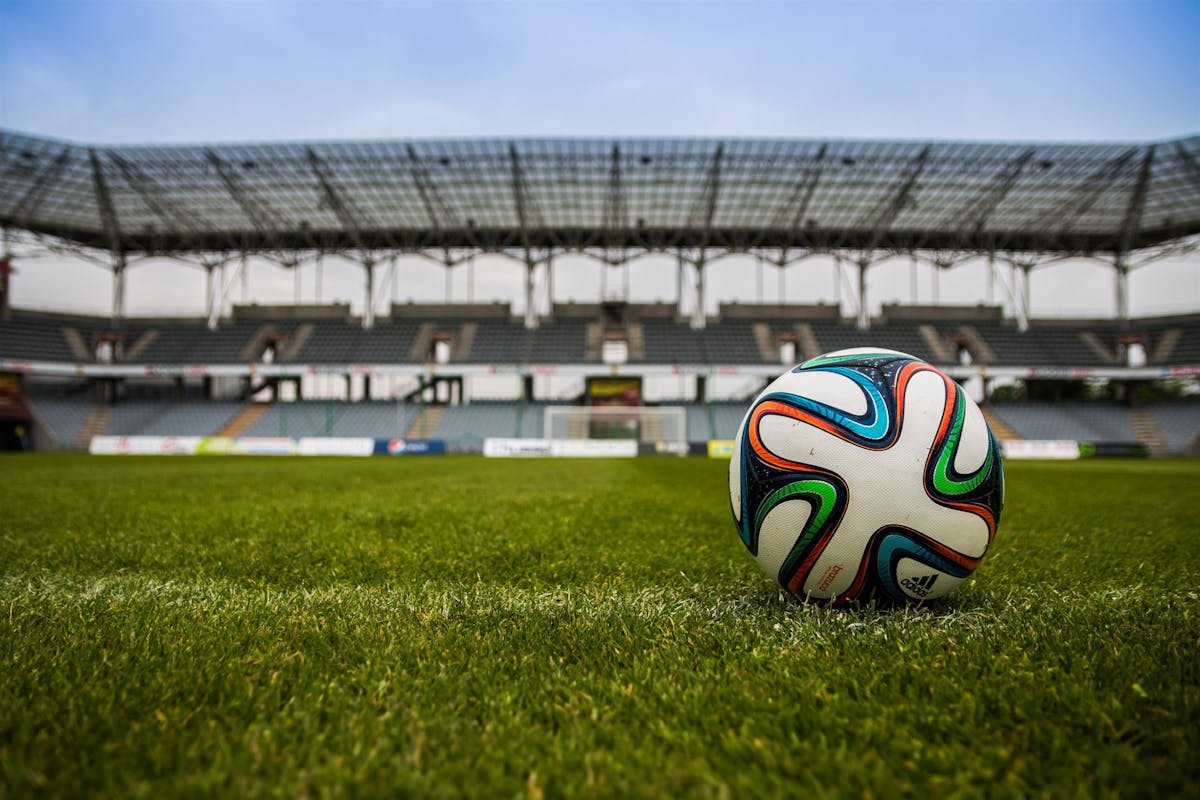
The FIFA World Cup is the most-watched sporting event on the planet, a tournament contested by national teams that captures the attention of billions. Understanding its history and format is the key to appreciating why it holds such a special place in global sport.
The World Cup was first held in 1930 in Uruguay, which also became the first champion. Since then it has been staged roughly every four years, with only the years around the Second World War interrupting the sequence. Over the decades it has grown from a modest gathering of a handful of nations into a vast global tournament involving qualification campaigns on every continent. It is organised by FIFA, football's international governing body.
Getting to the World Cup is itself a major achievement. In the years before each tournament, national teams compete in regional qualifying competitions across Europe, South America, Africa, Asia, North and Central America, and Oceania. Only a limited number of teams from each region earn a place at the finals, so qualification can be as dramatic as the tournament itself, with footballing giants occasionally missing out.
The finals tournament has traditionally featured 32 teams, though the competition is expanding to 48 teams from the 2026 edition onward, reflecting football's global growth. The format has generally worked in two phases. First comes the group stage, in which teams are drawn into small groups and play each other, earning points for wins and draws. The best-performing teams in each group advance. Then comes the knockout stage, a series of single-elimination matches, round of 16, quarter-finals, semi-finals, and the final, in which the loser of each match is eliminated. This structure rewards both consistency in the group stage and nerve in the knockouts.
Knockout matches cannot end in a draw. If the scores are level after 90 minutes, the game goes to 30 minutes of extra time, and if still tied, to a penalty shootout, one of the most tense and dramatic ways to decide a match in all of sport. Many of the World Cup's most unforgettable moments have come from these shootouts.
Certain nations have made the World Cup their stage. Brazil is the most successful country in the tournament's history with five titles, followed by nations such as Germany and Italy with four each. These footballing powers have produced many of the game's greatest players and most iconic teams, and the World Cup has been the setting for legendary performances that defined careers and eras.
The tournament is also a showcase for the host nation, which is chosen years in advance through a FIFA selection process. Hosting brings enormous prestige, investment, and global attention, and host countries build or upgrade stadiums and infrastructure for the occasion. The 2026 tournament will be jointly hosted by the United States, Canada, and Mexico, the first World Cup shared across three nations.
Beyond the football, the World Cup carries a cultural significance that few events can match. It unites countries behind their national teams, produces heroes celebrated for generations, and creates shared moments experienced simultaneously by people all over the world.
Once you understand its history, the qualification process, and the group-then-knockout format leading to the final, the World Cup reveals itself not just as a football tournament but as a global celebration, held every four years, that crowns the champions of the world's most popular sport.
About Carlos Mendoza
Carlos Mendoza is a sports journalist covering FIFAand major international sporting events. Their work focuses on analysis, athlete performance, tournament coverage, and breaking sports news.