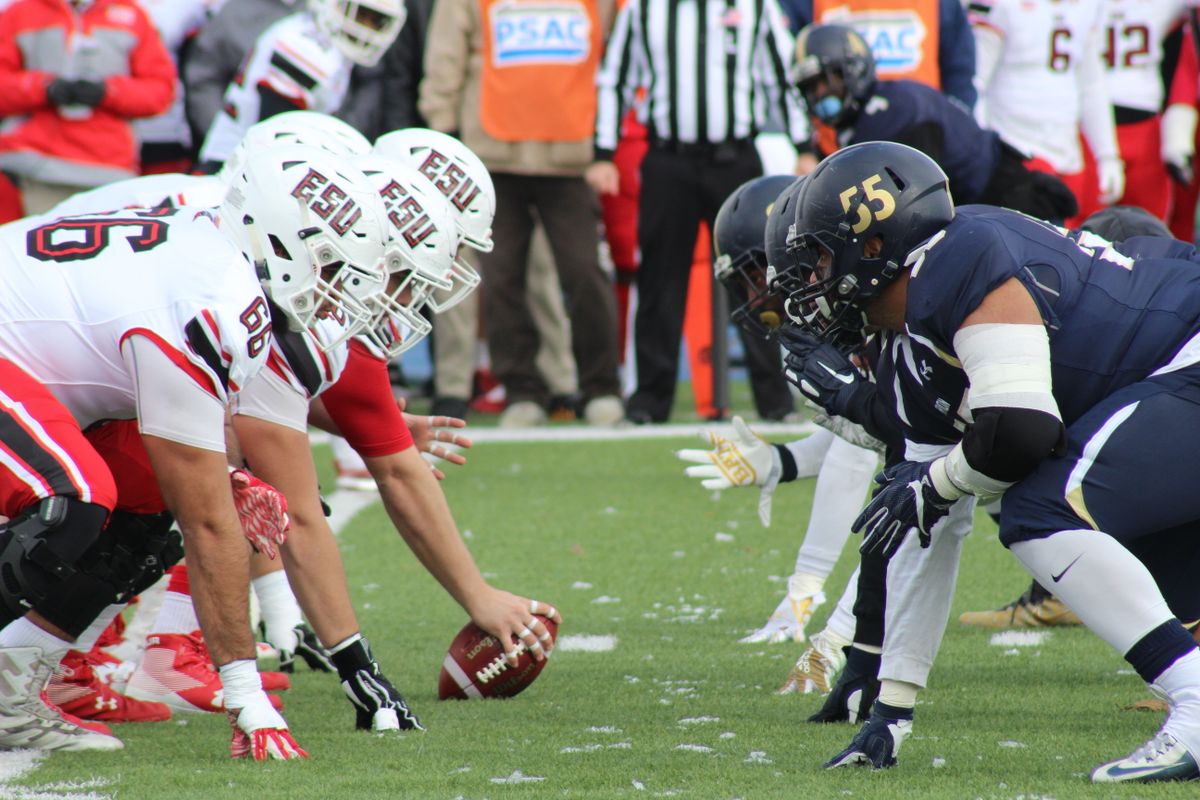
The narrative going into this Super Bowl was so comprehensively dominated by one team's offense that the game-plan analysis published in the week before kickoff read less like balanced previews and more like an extended meditation on how many points a single football team could possibly score. The starting quarterback had thrown for 4,847 yards during the regular season. His two primary receivers had combined for 187 receptions. The running back had topped 1,600 yards. Every measurable indicator pointed to an offensive juggernaut that would make history, and the only real question — so the consensus suggested — was whether the defensive team on the other side of the line of scrimmage could at least make it competitive before the inevitable conclusion.
The defensive team had a different perspective. Their defensive coordinator, a figure who has been described variously as a chess grandmaster, a philosopher, and an obsessive, had spent three months building a game plan that his team practised in secret, executing it in scrimmage sessions that were closed to media in a way that prompted speculation about what, exactly, was being prepared. What was being prepared, it turned out, was a defensive scheme of such specific brilliance that it rendered the most statistically devastating offense in NFL history almost completely inoperative for three of the four quarters.
The key insight of the defensive game plan was not the blitz, though the blitz was part of it. It was the combination of a zone coverage shell — a Cover 2 variant that the coordinator had modified at a structural level — with a pass-rush built around specific personnel matchups that targeted the offensive line's most vulnerable pairings. The starting quarterback, accustomed to processing coverages with machine-like efficiency, was confronted with a defensive presentation that changed the principles of what he was looking at at the line of scrimmage. And when the picture changes on an elite quarterback, the time required to re-read and re-process that picture is measured in fractions of a second that a well-designed pass rush can exploit with devastating consistency.
The first half ended with the offensive juggernaut having produced 7 points. Seven. Against a defense that had allowed an average of 24 points per game during the regular season. The sports media infrastructure, having prepared its output for a different kind of evening, scrambled to recalibrate. The halftime show, performed with its usual spectacle, barely registered in the sports conversations happening simultaneously across the country. Everyone wanted to talk about what they had just seen, and no one quite had the vocabulary for it yet.
The second half adjustment was where the offensive team displayed the resilience that great organisations produce. The coordinator changed three fundamental aspects of the game plan simultaneously, installing new route combinations and adjusting the protection schemes in ways that the defence could not immediately counter. For twelve minutes of the third quarter, the previously dysfunctional offense found rhythm, and it felt briefly as though the normal order was reasserting itself. Two touchdowns narrowed the deficit to three points.
The fourth-quarter defensive stand that ended the game will be discussed in coaching clinics, analysis sessions, and sports bars for years. Backed up to their own goal line, needing a stop with two minutes and twelve seconds remaining, the defense produced three consecutive plays that collectively required the kind of execution under pressure that justifies the entire enterprise of professional sport. A blitz that arrived a tenth of a second faster than the quarterback's internal clock expected. A coverage rotation that took away the safety valve route that had been the offense's answer to pressure all season. And a final play, a fourth-and-goal from the two-yard line, on which every member of the defensive unit arrived at the correct assignment simultaneously and did not flinch.
The final score — 17-14 — will not be recognised by the casual observer as the magnitude of upset it represents. The margin of three points disguises the completeness of the defensive achievement. The box score shows a quarterback who threw for 187 yards; his season average was 332. It shows zero touchdowns and one interception for an offense that had averaged three touchdowns per game. Statistics that would, on any other day, signal something gone profoundly wrong. On this day, they were the fingerprints of a masterpiece.
About Tyler Johnson
Tyler Johnson is a sports journalist covering American Footballand major international sporting events. Their work focuses on analysis, athlete performance, tournament coverage, and breaking sports news.