One of the things that makes tennis so fascinating is that it is played on several different surfaces, and each one dramatically changes how the game is played. A match on clay can look almost like a different sport from a match on grass. Understanding the three main surfaces, clay, grass, and hard court, deepens your appreciation of the sport and explains why some players thrive in one setting and struggle in another.
The surface matters because it affects two crucial things: the speed of the ball after it bounces, and the height of the bounce. A fast surface sends the ball skidding through quickly and low, giving players less time to react and rewarding powerful, aggressive play. A slow surface grips the ball, slowing it down and making it bounce higher, which gives players more time and tends to produce longer rallies. These physical differences ripple out into completely different styles and strategies.
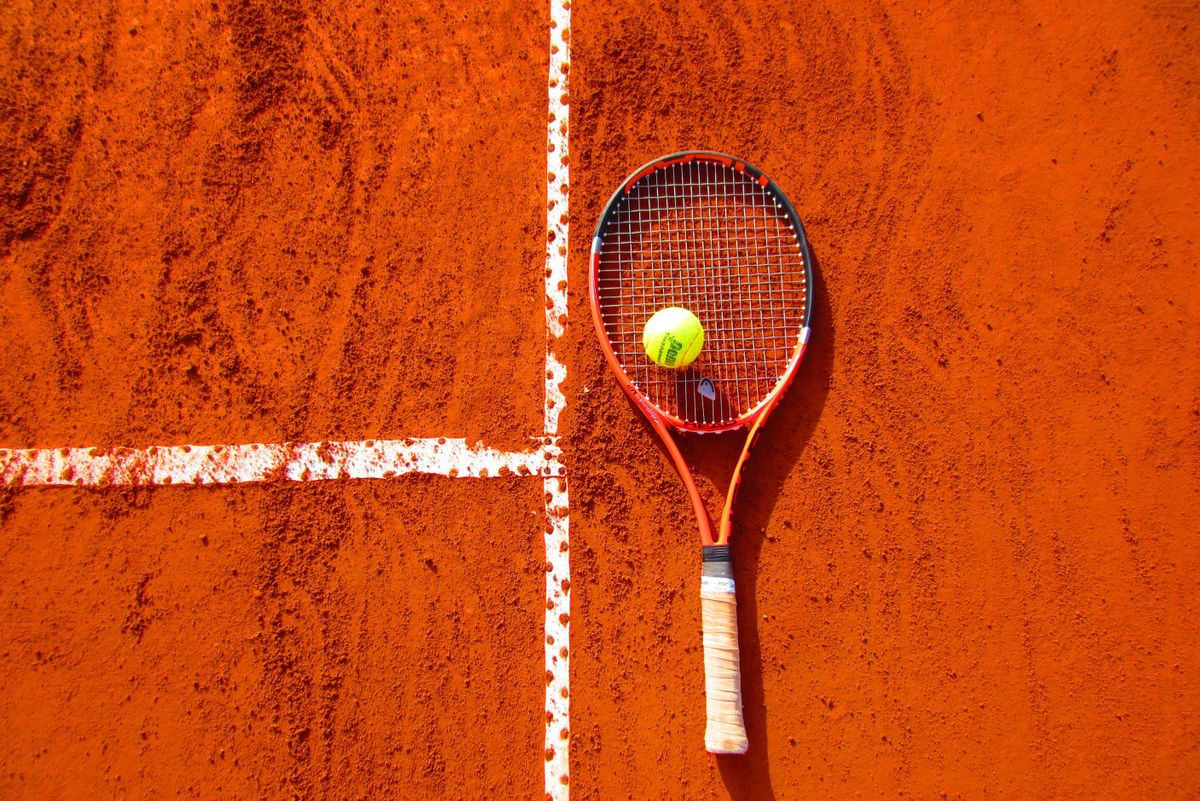
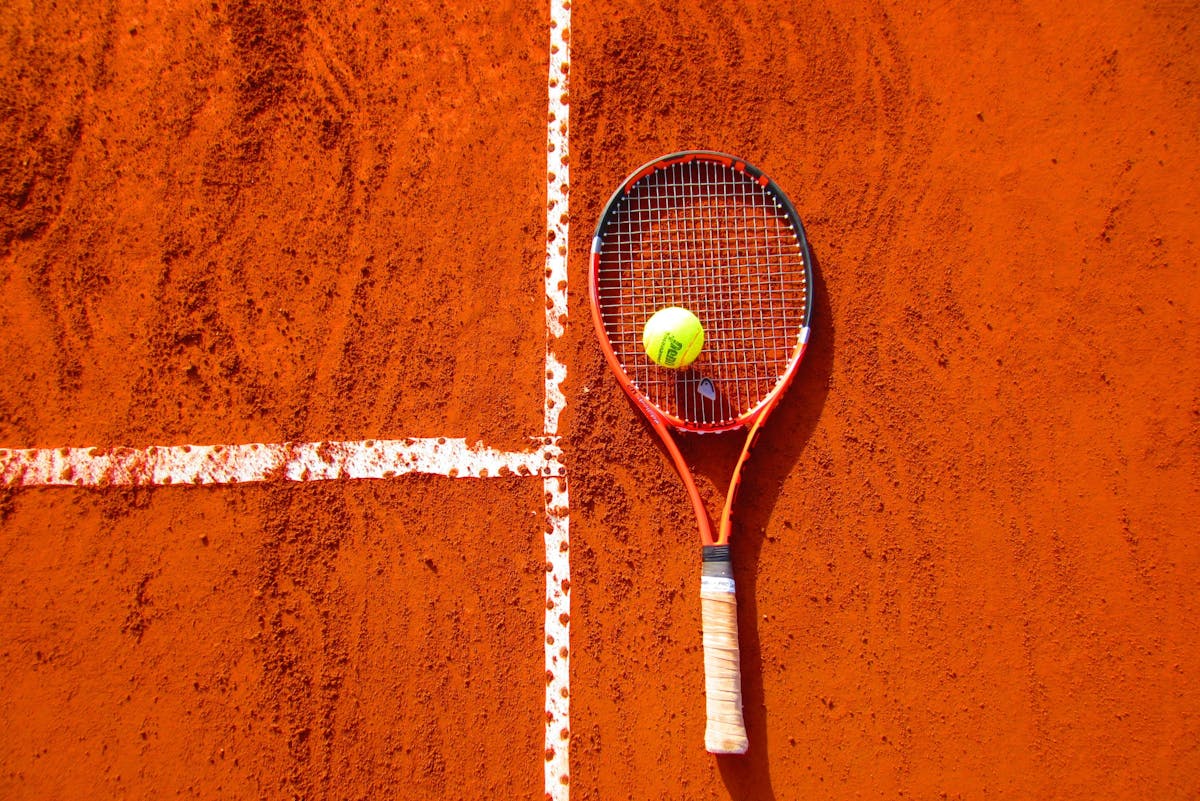
Clay is the slowest of the three surfaces, made from crushed brick or stone. When the ball lands, the clay grips it, slowing it down and kicking it up into a high bounce. This gives players plenty of time to run down shots, which makes it very hard to hit outright winners. As a result, clay-court tennis is defined by long, gruelling rallies, patience, and physical endurance. Players who use heavy topspin, move well, and can grind out points for hours excel here. Clay also allows players to slide into their shots, a distinctive skill. The most famous clay tournament is the French Open, and clay specialists can dominate it even if they are less successful elsewhere.
Grass is the fastest surface and the most traditional, the surface on which tennis was originally played. The ball skids off the smooth, low grass and stays low, moving quickly and giving opponents very little time to respond. This historically rewarded aggressive, attacking tennis: big serves, quick points, and rushing to the net. Rallies tend to be short and sharp. Grass is also the most demanding surface to maintain and can change as a tournament progresses and the turf wears. Wimbledon, the oldest and most prestigious tournament, is played on grass, and its fast, low-bouncing courts have a character all their own.
Hard courts sit in between, made from a rigid surface like concrete or asphalt topped with an acrylic layer. They offer a medium pace and a true, predictable bounce, which is why they are considered the most balanced and neutral surface. Because they do not heavily favour either grinding defence or all-out attack, hard courts tend to reward all-round players. They are also the most common surface worldwide, used at courts everywhere from public parks to Grand Slam stadiums. Two of the four majors, the Australian Open and the US Open, are played on hard courts.
This variety poses a unique challenge that sets tennis apart from many sports: a truly great player must be able to adapt their game to conditions that are constantly changing across the season. The calendar moves through hard-court, clay, and grass seasons, and each demands different tactics, movement, and shot selection. A player might have to grind through five-hour clay battles one month and play lightning-fast grass points the next.
That is why the players celebrated as the very best are often those who can win on all three surfaces, a mark of complete mastery. Once you understand how clay slows and lifts the ball, how grass speeds and flattens it, and how hard courts sit in between, you can see why the surface is not just a backdrop but a central character in every tennis match.
About Daniel Osei
Daniel Osei is a sports journalist covering Tennisand major international sporting events. Their work focuses on analysis, athlete performance, tournament coverage, and breaking sports news.