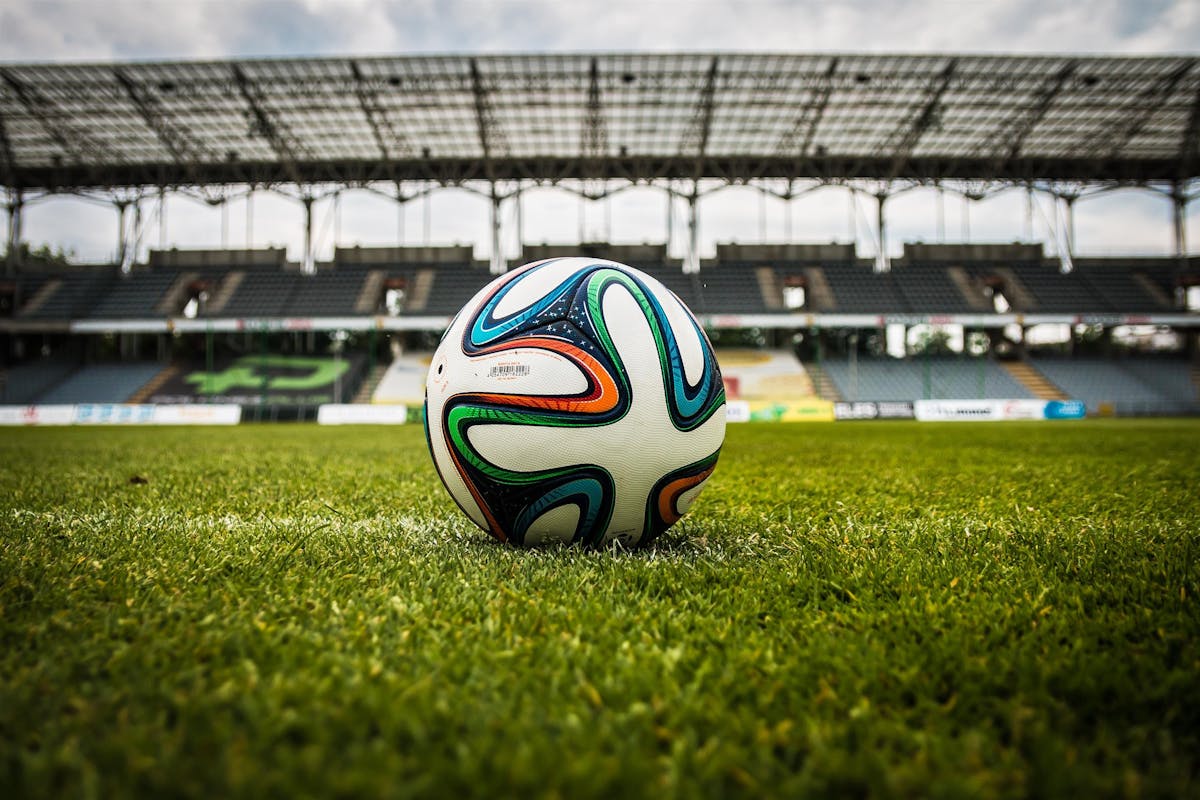
The World Cup final is the single biggest match in football, the climax of a month-long tournament and, for the players involved, the most important 90 minutes of their careers. Watched by well over a billion people around the world, it is a match unlike any other. Understanding exactly how the final works, and how a champion is decided, deepens the drama of the occasion.
The two teams that reach the final are the winners of the two semi-finals, having navigated a gruelling path through the group stage and the knockout rounds to get there. Only these two nations, out of all those that began the tournament, remain, which is what gives the final its extraordinary weight. The winner is crowned world champion, the highest honour in the sport, and gets to lift the famous trophy.
The final itself is played, like other matches, over 90 minutes, divided into two halves of 45 minutes each, with a halftime break. The team that scores more goals in this time wins the match and the World Cup. In many finals, this is how the destiny of the trophy is settled, in regulation time, sometimes comfortably and sometimes by the narrowest of margins.
But the final, being a knockout match, cannot end in a draw. If the two teams are level after 90 minutes, the match goes to extra time. Extra time consists of two further periods of 15 minutes each, played in full regardless of when goals are scored. These 30 additional minutes are a test of stamina, nerve, and composure, as exhausted players push themselves further in pursuit of a decisive goal. Many of the World Cup's most dramatic finals have been settled during this tense extra period.
If the scores remain level even after extra time, the final is decided by a penalty shootout, one of the most nerve-shredding spectacles in all of sport. In a shootout, the teams take turns to attempt penalty kicks from the penalty spot against the opposing goalkeeper. Each side takes a set number of kicks, and the team that scores more wins. If they are still level after the initial round, the shootout proceeds to sudden death, where a single missed kick can decide the world champion. The pressure on the players stepping up to take these penalties, with a nation's hopes resting on each kick, is almost unimaginable, and goalkeepers can become instant heroes by making a decisive save.
This structure, 90 minutes, then extra time, then penalties, ensures that the World Cup final always produces a winner on the day, no matter how closely matched the two teams are. It also builds tension in stages, with each phase raising the stakes and the drama, which is part of why the final is such compelling viewing.
Beyond the rules, the final is wrapped in ritual and significance. There is the pageantry of the occasion, the presence of the sport's most important figures, and the awarding of individual honours alongside the team triumph. For the winning players, lifting the World Cup is the pinnacle of a footballing life; for the losing finalists, defeat at the final hurdle can be a source of lasting heartbreak.
Understanding the format, regulation time, extra time, and the penalty shootout, allows you to follow the final's escalating drama with full appreciation. It is a match built to deliver tension and resolution on the grandest possible scale, the fitting conclusion to football's greatest tournament and the moment a new world champion is born.
About Carlos Mendoza
Carlos Mendoza is a sports journalist covering FIFAand major international sporting events. Their work focuses on analysis, athlete performance, tournament coverage, and breaking sports news.