Water is indifferent to human ambition. It does not applaud, does not respond to determination, and does not distinguish between the world champion and the novice splashing in a public lane. It simply resists, with the same specific gravity and viscosity that it has always had, against every body that moves through it. Which is what makes the margins by which elite swimmers continue to improve so breathtaking — they are winning an argument with physics itself, and the physics keeps losing.
The World Aquatics Championship pool in its current incarnation is a technical marvel. The lane ropes are engineered to absorb turbulence rather than reflect it, reducing the interference between competitors' wake patterns to near zero. The pool depth maximises the downwash effect — the way that water displaced by a swimmer's stroke disperses downward rather than backward, reducing drag. The filtration and temperature systems maintain conditions to tolerances that would have seemed impossibly precise to the swimmers of even twenty years ago. This is sport as an engineering project, and the results are visible in the record books.
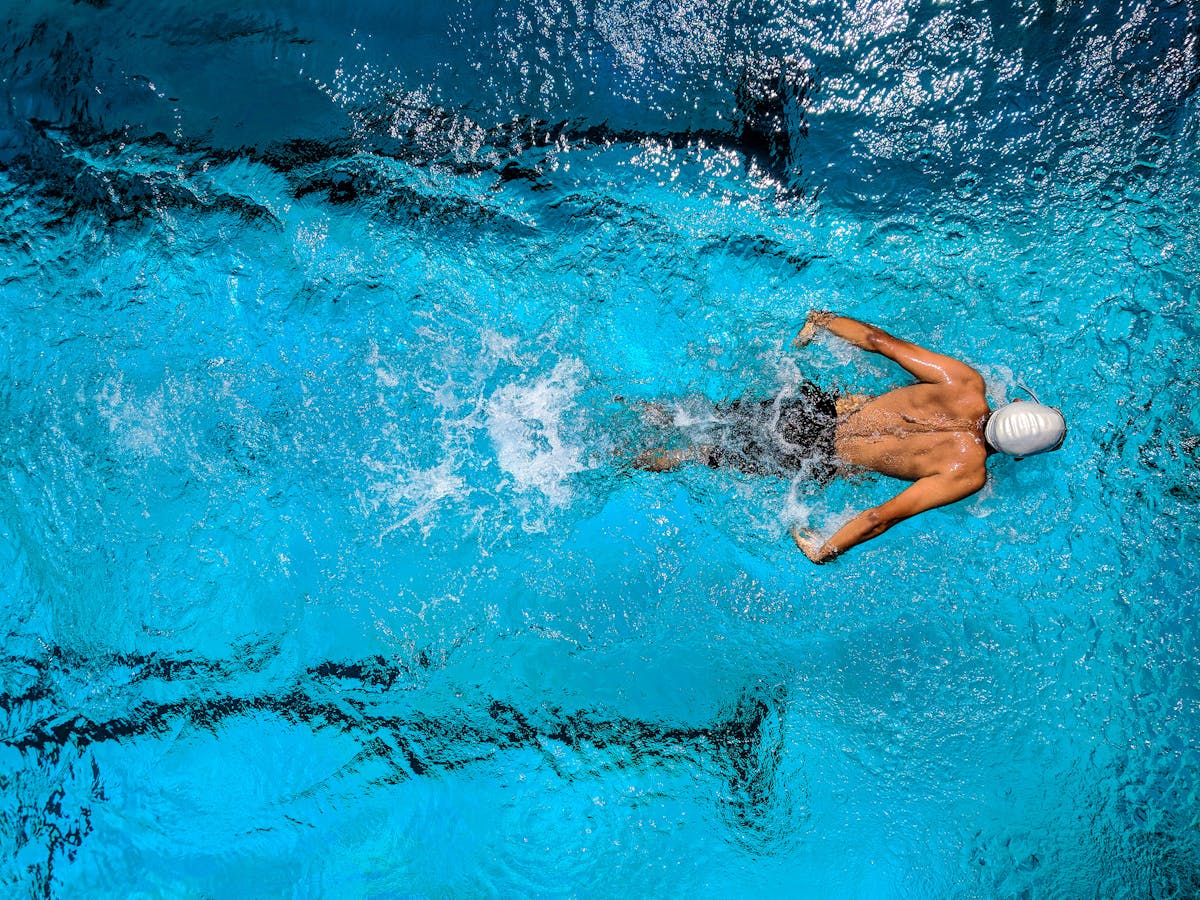
The 200-metre butterfly final produced the most discussed performance of the championship. The gold medallist's stroke, analysed frame by frame in the broadcast technology suite, showed a kinetic chain from fingertip to hip rotation that biomechanists described as approaching the theoretical optimum for the human body structure. His underwater phases were of a length and power that exceeded by measurable margins the models that had been considered the ceiling of what was biomechanically achievable. He is not a larger person than his rivals. He is not measurably stronger. What he possesses, according to the scientists who have studied him, is an unusual neuromuscular efficiency — the ability to convert metabolic energy into propulsion with a minimum of wasteful movement that remains inexplicable even to the experts who identify it.
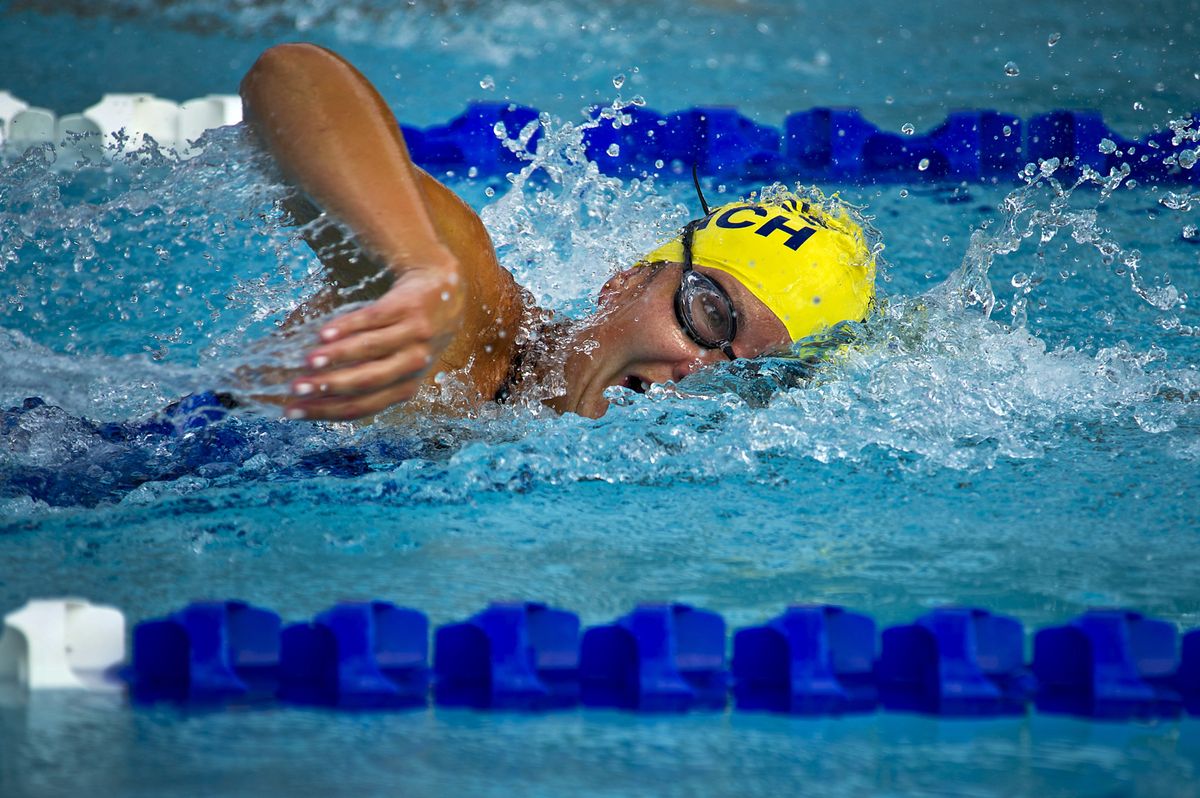
The women's 400 individual medley told a different story — one about tactical intelligence rather than pure physicists' elegance. The race began with a field that was, on paper, the most competitive in the event's history, with six swimmers capable of gold and three with genuine world-record ambitions. The first 100 metres, contested on butterfly, saw a tactical surprise: the eventual winner chose a pace that was deliberately conservative, sitting third and allowing the field to set a tempo that she had calculated, on the evidence of her rivals' recent performances, was unsustainable for the full 400.
Her butterfly split was not her strength. Her backstroke split, the second leg, was competent. But the breaststroke leg — the third 100 metres, the one that almost always decides this event — was where she made her move, and the move was so decisive that three other swimmers who had been in medal contention simply couldn't respond. By the time the field turned for the final freestyle leg, the race was hers to lose, and losing is not something she has recently made a habit of.
The mixed 4x100 medley relay produced the most noise the aquatics centre has experienced since its opening. Four swimmers from four different backgrounds, unified by a flag and four months of intensive relay-specific training that included thousands of hours of synchronised changeover practice. The baton exchange between the backstroke and breaststroke legs — a moment lasting perhaps 0.8 seconds — was executed with a technical precision that the relay coaches described as the best they had ever seen. The final freestyle swimmer hit the wall with a split that would have been a world-class time in an individual event, and the scoreboard confirmed a world record by 0.46 seconds.
The post-race conversation among coaches and sports scientists returned repeatedly to one theme: the next generation. The athletes who came second and third in these events, in many cases setting personal bests and national records despite the bronze or silver, were in many cases under twenty-two years old. The performance curve of elite swimming has not flattened. If anything, access to better sports science, improved nutrition protocols, more sophisticated training periodisation, and a global talent pool that is widening with every passing decade, suggests that the records set this week will not survive the next four years. The water, for its part, remains indifferent. The swimmers are not.
About Clara Jensen
Clara Jensen is a sports journalist covering Swimmingand major international sporting events. Their work focuses on analysis, athlete performance, tournament coverage, and breaking sports news.